


How to build big, hearty flavor in one-pot meals without mushy veggies?

One-pot meals are the ultimate culinary convenience, promising minimal cleanup and maximum satisfaction. Yet, many home cooks face a common dilemma: how to infuse these dishes with robust, hearty flavors without turning delicate vegetables into an unappetizing mush. The secret lies in understanding the interplay of heat, time, and strategic layering. Forget the days of sacrificing texture for simplicity; it’s entirely possible to achieve both.
Building a Flavor Foundation
The journey to a deeply flavorful one-pot meal begins with establishing a strong flavor base. This often involves browning ingredients strategically. Start by searing your proteins – chicken thighs, sausage, or beef cubes – directly in the pot. This creates a rich ‘fond’ (browned bits) at the bottom, which is a treasure trove of savory compounds.

Once your protein is browned and removed, it’s time for aromatics. Sautéing onions, garlic, celery, and carrots in the residual fat until softened and slightly caramelized adds significant depth. These aromatics become the aromatic backbone of your dish.
Layering Spices and Deglazing
After your aromatics are fragrant, add your dried spices (cumin, paprika, oregano, etc.) directly to the hot pot for a minute or two, stirring constantly. This ‘blooming’ process toasts the spices, intensifying their flavors. Then, it’s time to deglaze. Pour in a liquid – broth, wine, or even a splash of water – and scrape up all those delicious browned bits from the bottom of the pot. This step incorporates all that accumulated flavor back into your dish.
The Art of Perfect Vegetable Texture
Preventing mushy vegetables is perhaps the biggest challenge in one-pot cooking, but it’s easily overcome with a simple technique: staggered addition.
Strategic Timing and Uniform Cuts
Not all vegetables cook at the same rate. Harder, denser vegetables like potatoes, carrots, and sweet potatoes require a longer cooking time. These should be added earlier, often along with your liquid, to simmer and become tender. Softer, quicker-cooking vegetables, such as bell peppers, zucchini, spinach, peas, or green beans, should be added much later in the cooking process, usually in the last 10-15 minutes.

Additionally, ensure your vegetables are cut into uniform pieces. This guarantees even cooking. If you have some carrots chopped into large chunks and others into small dices, they won’t all be tender at the same time. Aim for consistent sizing.

Bringing It All Together: A Master Workflow
Let’s outline a general workflow to combine flavor building and texture retention:
- Brown Proteins: Sear meat in hot oil, remove, and set aside.
- Sauté Aromatics: Add onions, garlic, celery, and other hard vegetables (carrots, potatoes) if desired at this stage. Cook until softened.
- Bloom Spices & Deglaze: Add dried spices, toast briefly, then deglaze with liquid.
- Simmer Base: Return browned protein to the pot. Add broth, crushed tomatoes, or other main liquids. Bring to a simmer. Add remaining hard vegetables (e.g., more potatoes, winter squash). Cover and cook until hard vegetables are partially tender.
- Add Softer Vegetables: In the last 10-15 minutes of cooking, add quick-cooking vegetables like bell peppers, zucchini, leafy greens (spinach, kale), or peas. Stir gently to combine.
- Finishing Touches: Just before serving, stir in fresh herbs (parsley, cilantro), a squeeze of lemon juice, or a splash of vinegar to brighten flavors. Taste and adjust seasonings.
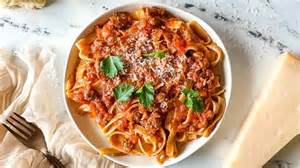
This method ensures that your heartier ingredients have ample time to release their flavors and tenderize, while delicate vegetables retain their vibrant color and satisfying bite.
Beyond the Basics: Enhancing Flavor Further
Don’t be afraid to experiment with other flavor boosters. A dash of Worcestershire sauce, a spoonful of tomato paste (sautéed with aromatics), a pinch of smoked paprika, or a bay leaf can elevate your dish. High-quality ingredients, especially your broth or stock, make a significant difference. Consider using homemade stock for unparalleled depth.
Crafting delicious one-pot meals with perfectly cooked vegetables is not a mystery; it’s a science of timing and technique. By focusing on building a robust flavor base and strategically adding ingredients, you can consistently achieve culinary masterpieces that are both convenient and incredibly satisfying.