





How to boost flavor in lighter Heartland comfort food recipes?

Reimagining Classic Heartland Comfort Food with a Lighter Touch
Heartland comfort food evokes images of rich casseroles, creamy sauces, and hearty mains that warm the soul. But what if you crave that comforting embrace without the heavy feeling? The good news is that you don’t have to sacrifice flavor when lightening up these beloved recipes. With a few smart techniques and ingredient choices, you can achieve delicious, satisfying meals that are both wholesome and full of the familiar tastes you love.
The Foundation: Smart Ingredient Swaps
One of the most straightforward ways to lighten up a dish is by making clever substitutions for high-fat or high-calorie ingredients. Opt for lower-fat dairy products like skim milk, Greek yogurt, or reduced-fat cream cheese in creamy sauces and casseroles. These alternatives often provide a similar texture and richness without the added calories.
When it comes to proteins, choose leaner cuts of meat such as chicken breast, turkey, or lean ground beef. Incorporating more plant-based proteins like lentils, beans, or mushrooms can also add a hearty texture and depth of flavor while boosting fiber content. For fats, swap out butter for olive oil or avocado oil in sautéing, or use reduced amounts where possible, relying more on broths for moisture.

Elevating with Herbs and Spices
Herbs and spices are your best friends when reducing fat and salt. They introduce complex flavors without adding calories. Fresh herbs like parsley, chives, cilantro, thyme, and rosemary brighten dishes instantly. Chop them generously and stir them in at the end of cooking to preserve their vibrant essence.
Dried spices, on the other hand, build deep, foundational flavors. Smoked paprika, garlic powder, onion powder, cumin, and chili powder can mimic the savory notes often found in heavier dishes. Don’t be shy with black pepper, and consider blends like Italian seasoning or Herbs de Provence for a convenient flavor boost. Toasting whole spices briefly before grinding or adding them to your dish can also unlock more intense aromas and tastes.
The Power of Acidity
Acidity acts as a natural flavor enhancer, cutting through richness and brightening heavy dishes. A squeeze of fresh lemon or lime juice can awaken dormant flavors in soups, stews, and sauces. Various vinegars—apple cider, red wine, balsamic, or rice vinegar—can also add a crucial tangy dimension. A splash of vinegar at the end of cooking can make a dish sing, providing a delightful contrast and making other flavors more prominent.

Umami Bombs for Depth
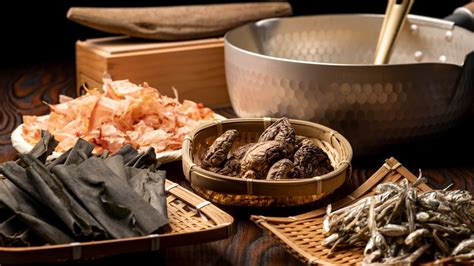
Umami, often described as the fifth basic taste, is savory and deeply satisfying. Incorporating umami-rich ingredients can create a profound flavor profile, making lighter dishes feel more substantial and complex. Mushrooms, especially cremini or shiitake, are excellent umami sources, whether sautéed, roasted, or added to broths.
Other umami boosters include tomato paste (caramelized briefly for maximum impact), Worcestershire sauce, nutritional yeast (a favorite for cheesy flavors without dairy), and low-sodium soy sauce or tamari. Even a little bit can go a long way in adding a meaty, satisfying depth to your Heartland-inspired creations.
Cooking Techniques for Flavor Concentration
Beyond ingredients, certain cooking methods can naturally concentrate and deepen flavors. Roasting vegetables (like root vegetables or cauliflower) brings out their natural sweetness and creates appealing caramelized notes. Sautéing aromatics like onions, garlic, and celery until deeply softened and lightly browned forms a flavorful base for many dishes.
Deglazing the pan after sautéing meats or vegetables with a splash of broth, wine, or vinegar allows you to scrape up all those flavorful brown bits, incorporating them back into your sauce or liquid. Slow cooking methods, while often associated with heavier dishes, can also be adapted to tenderize leaner cuts and meld flavors beautifully with minimal added fat.
Conclusion
Creating lighter versions of Heartland comfort food doesn’t mean sacrificing the hearty, soul-satisfying flavors you cherish. By strategically swapping ingredients, generously using herbs, spices, and acidity, harnessing the power of umami, and employing smart cooking techniques, you can craft dishes that are both lighter on the palate and robust in taste. Experiment with these tips to rediscover your favorite comfort foods in a fresh, vibrant, and equally delicious new light.