




How to bake perfectly moist, flavorful cornbread, never dry?
The Quest for Perfectly Moist, Flavorful Cornbread
There’s nothing quite like a warm slice of cornbread, golden brown and crumbly, ready to soak up chili, soup, or a slather of butter and honey. Yet, many home bakers lament the dreaded dry, bland cornbread that often emerges from the oven. Achieving that perfect balance of moisture and rich corn flavor isn’t as elusive as you might think. With a few key techniques and ingredient considerations, you can banish dry cornbread from your kitchen forever.
The Foundation: Quality Ingredients Are Key
The journey to perfect cornbread begins with your ingredients. The type of cornmeal you choose significantly impacts texture. For a tender, moist crumb, opt for medium-ground cornmeal over coarse-ground, which can lead to a drier texture. Fine-ground cornmeal can also work but sometimes yields a more cake-like consistency.
Fat content is crucial for moisture and flavor. Don’t skimp! Melted butter, bacon grease, or a neutral oil (like canola or vegetable) all add richness. Many traditional recipes call for a combination. Buttermilk is often hailed as the secret weapon for moist cornbread, lending a tangy depth and activating baking soda for a tender crumb. If you don’t have buttermilk, you can make a substitute by adding a tablespoon of lemon juice or white vinegar to regular milk and letting it sit for 5-10 minutes.

Achieving the Ideal Batter Consistency
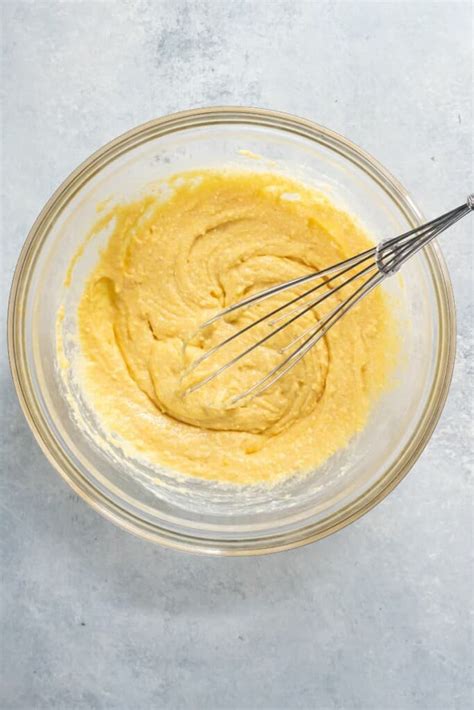
Getting the right ratio of wet to dry ingredients is paramount. A good cornbread batter should be thick but pourable, not overly stiff. The most common mistake leading to dry cornbread is overmixing. Once your wet and dry ingredients are combined, stir just until moistened. A few lumps are perfectly fine and even desirable; overmixing develops gluten, which leads to a tough, dry texture. Remember, this isn’t a delicate cake batter.
The Sweet Spot: Balancing Flavor and Moisture
The great cornbread debate: sweet or savory? While personal preference plays a huge role, adding a modest amount of sugar (around 1-2 tablespoons) not only enhances flavor but also contributes to browning and moisture retention. For a truly Southern-style savory cornbread, omit the sugar or keep it to a bare minimum. Experiment to find your perfect balance!
The Magic of the Baking Vessel and Temperature
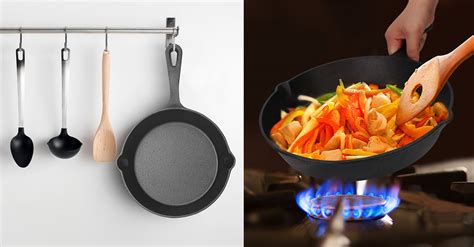
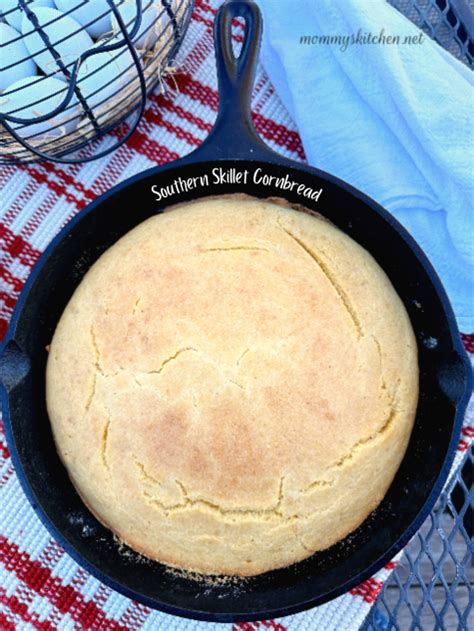
For that iconic crispy crust and moist interior, a well-seasoned cast iron skillet is your best friend. Preheat your skillet (with a tablespoon or two of oil or bacon grease) in the oven while it comes up to temperature, usually 400-425°F (200-220°C). Pouring the batter into a hot, greased skillet ensures an immediate sizzle, creating a phenomenal crust that locks in moisture. The high temperature helps the cornbread cook quickly and evenly, preventing it from drying out.
The Golden Rule: Don’t Overbake!
This is arguably the most critical factor for moist cornbread. Cornbread cooks relatively quickly, typically in 20-25 minutes, depending on the pan size and oven. Start checking for doneness around the 20-minute mark. A wooden skewer or toothpick inserted into the center should come out clean. The top should be golden brown. Immediately remove the cornbread from the oven once it’s done. Even a few extra minutes can turn perfect cornbread into a dry disappointment.
Post-Bake Perfection: Cooling and Serving
While it’s tempting to dive right in, allow your cornbread to cool in the skillet for 5-10 minutes before slicing. This allows the internal structure to set and helps retain moisture. For an extra touch of decadence, brush the top with melted butter immediately after removing it from the oven. Serve warm with your favorite accompaniments like butter, honey, jam, or alongside hearty stews and chili.
Conclusion: Your Journey to Cornbread Perfection
Baking perfectly moist and flavorful cornbread is an achievable goal for any home cook. By focusing on quality ingredients, understanding the importance of proper mixing and baking temperatures, and crucially, avoiding overbaking, you can consistently produce a tender, golden masterpiece. Embrace these techniques, and get ready to enjoy cornbread that’s never dry, always delicious, and sure to become a cherished staple in your kitchen.