


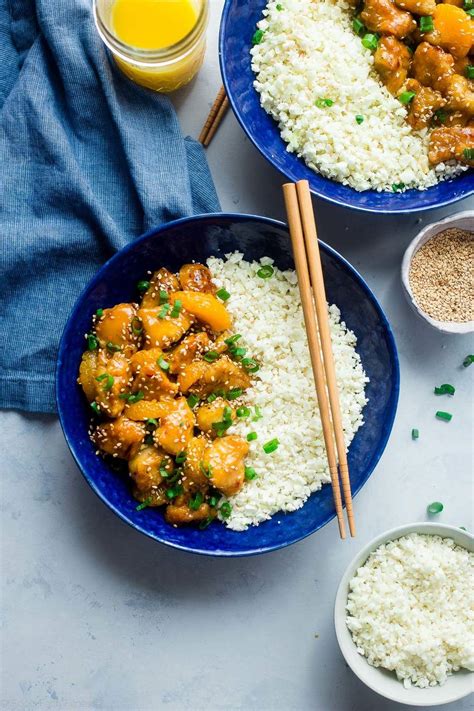
How to achieve rich browning and intense flavor in one-pot skillet suppers?

One-pot skillet suppers are a weeknight hero, offering convenience and minimal cleanup. However, they often get a bad rap for lacking depth of flavor or a visually appealing golden crust. The secret to elevating these simple meals from good to extraordinary lies in mastering the art of rich browning and intense flavor development. It’s not just about throwing everything into one pan; it’s about strategic cooking techniques that harness the power of the Maillard reaction and create layers of deliciousness.
The Golden Rule: Don’t Overcrowd Your Skillet
This is arguably the most crucial tip for achieving beautiful browning. When a pan is overcrowded, ingredients steam rather than sear. Moisture released from the food gets trapped, lowering the pan’s temperature and preventing that desirable golden-brown crust. Work in batches if necessary, especially with proteins like chicken thighs, pork loin, or even vegetables like mushrooms. Give each piece space to breathe and make direct contact with the hot surface.

High Heat and the Right Fat
Browning requires heat. Preheat your skillet over medium-high heat for several minutes before adding any ingredients. A good indicator is when a drop of water sizzles and evaporates instantly. Choosing the right cooking fat is also key. Fats with a high smoke point, such as grapeseed oil, avocado oil, or refined olive oil, are ideal for searing without burning. Butter can add fantastic flavor, but it has a lower smoke point, so it’s often best used towards the end or in combination with a higher smoke point oil.
Build Flavor Layers: Sear, Deglaze, Repeat
Intense flavor doesn’t happen by accident; it’s built. Start by searing your proteins until deeply browned on all sides. Remove them from the pan and set aside. Next, sauté aromatics like onions, garlic, and celery in the flavorful fat left behind. This is where you can start to scrape up those delicious browned bits (fond) from the bottom of the pan. Once the aromatics are softened, add a liquid like wine, broth, or even water to deglaze the pan thoroughly. Use a wooden spoon to release all the stuck-on goodness – this fond is pure flavor gold that will infuse your entire dish.

Strategic Ingredient Addition and Cooking Order
Think about the cooking times and moisture content of your ingredients. Add vegetables that require longer cooking times or can benefit from browning (e.g., carrots, potatoes) earlier. Delicate vegetables like spinach or peas should go in much later. Grains or pasta often get added after the liquid and brought to a simmer, absorbing all the rich flavors. Don’t be afraid to add fresh herbs in stages – robust herbs like rosemary or thyme can go in earlier, while tender herbs like parsley or cilantro are best stirred in at the very end to preserve their freshness and color.

Finishing Touches and Resting
Before serving, taste and adjust seasonings. A splash of vinegar (red wine, balsamic, or apple cider) or a squeeze of lemon juice can brighten flavors significantly. A pat of butter swirled in at the very end can add richness and a glossy finish. For proteins, especially larger cuts, allowing them to rest briefly after cooking off the heat can help redistribute juices, making them more tender and flavorful. Even a few minutes can make a difference. Garnish with fresh herbs or a sprinkle of cheese to add visual appeal and an extra layer of taste.

Mastering rich browning and intense flavor in your one-pot skillet suppers is a game-changer. By following these simple yet powerful techniques – giving ingredients space, using proper heat and fat, building layers of flavor through searing and deglazing, and adding ingredients strategically – you’ll transform everyday meals into memorable culinary experiences that are both convenient and incredibly delicious. Happy cooking!