



Heartland pies: Best tips for a perfectly flaky, non-soggy pie crust?

The Quest for the Perfect Pie Crust
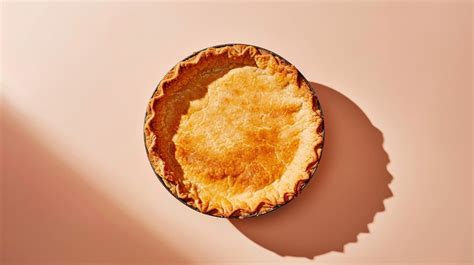
The heartland is synonymous with wholesome, comforting pies, and at the core of every great pie lies a crust that is both exquisitely flaky and delightfully crisp, never soggy. Achieving this elusive balance can seem daunting, but with the right techniques and a bit of culinary wisdom, you can master the art of the perfect pie crust. Say goodbye to dreaded soggy bottoms and hello to golden, buttery perfection!

Start with the Right Ingredients and Temperature
1. Keep Everything Cold
This is perhaps the most crucial rule. Cold butter or shortening creates pockets of steam in the oven, which leads to flakiness. Use ice-cold water, and even chill your flour and mixing bowl if your kitchen is warm. Cut your fat into small pieces (cubes or grated) and return it to the fridge until ready to use.
2. Quality Fat Matters
A combination of unsalted butter for flavor and a solid shortening (like lard or vegetable shortening) for tenderness and flakiness is often ideal. Some bakers swear by all-butter, others by all-shortening. Experiment to find your preference, but ensure it’s high quality.
3. All-Purpose Flour and a Pinch of Salt
Standard all-purpose flour works beautifully. A good pinch of salt is essential for flavor balance, especially with sweet fillings.
Mastering the Mixing Technique
4. Don’t Overwork the Dough
The enemy of a tender crust is over-development of gluten. Work quickly and gently. When combining the fat with the flour, use a pastry blender, two knives, or your fingertips (which can warm the fat, so be fast!) until the mixture resembles coarse meal with some pea-sized pieces of fat remaining. These larger pieces are key to flakiness.
5. Add Water Gradually and Sparingly
Add ice water one tablespoon at a time, gently tossing with a fork until the dough just comes together. It should be shaggy but cohesive when squeezed. Too much water makes the crust tough; too little makes it crumbly. Err on the side of slightly less water.
Chilling and Rolling for Success
6. Chill, Chill, Chill
After forming the dough into a disk, wrap it tightly in plastic wrap and refrigerate for at least 30 minutes, or up to 2 days. Chilling allows the gluten to relax, the fat to firm up, and the flour to fully hydrate, resulting in a more tender and manageable dough.
7. Roll Evenly and Efficiently
On a lightly floured surface, roll the dough from the center outwards, rotating it frequently to prevent sticking and ensure an even thickness (about 1/8 inch). Don’t over-flour your surface, as this can dry out the dough. Work quickly to keep the dough cold.

The Non-Soggy Secret Weapon: Blind Baking
8. The Power of Blind Baking
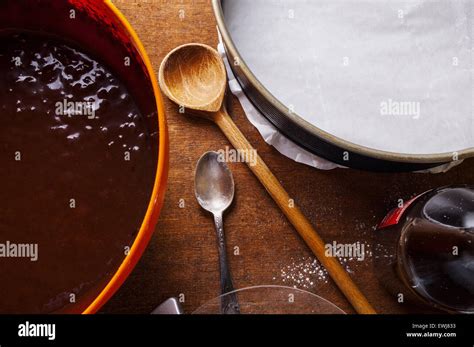
For wet fillings (like fruit pies or quiches) or fillings that don’t require much baking, blind baking (or pre-baking) your crust is essential to prevent a soggy bottom. Prick the bottom of the crust with a fork, line it with parchment paper, and fill with pie weights, dried beans, or rice.
9. Proper Blind Baking Technique
Bake at a high temperature (around 400-425°F or 200-220°C) for 15-20 minutes, then remove the weights and parchment and continue baking for another 5-10 minutes, or until lightly golden. This creates a barrier between the crust and the filling.

Final Tips for a Flawless Finish
10. High Heat Start, Then Reduce
Many pies benefit from starting at a higher temperature (e.g., 425°F/220°C for 15 minutes) to quickly set the crust, then reducing the temperature (e.g., 375°F/190°C) for the remainder of the baking time. This helps achieve a golden color without over-baking the filling.
11. Protect the Edges
If your crust edges are browning too quickly, loosely tent them with aluminum foil or use a pie crust shield to prevent burning while the rest of the pie cooks.
Mastering the flaky, non-soggy pie crust is a journey of practice and patience. By adhering to these key principles – keeping ingredients cold, avoiding overworking the dough, thorough chilling, and intelligent blind baking – you’re well on your way to baking heartland pies that are truly legendary. Happy baking!