





Heartland comfort: How to freeze & reheat casseroles for peak flavor?

There’s nothing quite like a warm, bubbling casserole to bring comfort to the table. But in our busy lives, finding the time to whip one up from scratch every day can be a challenge. The good news? Freezing and reheating casseroles is a game-changer for meal prep, allowing you to enjoy those hearty, homemade flavors with minimal effort on weeknights. The secret lies in understanding the right techniques to preserve that peak flavor and texture.
Why Freeze Casseroles? The Ultimate Time-Saver
Casseroles are the quintessential make-ahead meal. Preparing a large batch on a weekend and stashing portions in the freezer means you’re just a thaw and reheat away from a satisfying dinner. This not only saves precious time but also reduces food waste, provides convenient lunch options, and ensures you always have a comforting meal on hand, even on your busiest days.
Choosing the Right Casseroles for Freezing Success
Not all casseroles are created equal when it comes to the freezer. Generally, those with a creamy sauce base, meat, pasta, or rice tend to freeze beautifully. Think lasagna, chicken divan, shepherd’s pie, or baked ziti. Casseroles with crunchy toppings (like breadcrumbs or fried onions) are best added fresh before the final bake. Similarly, delicate vegetables such as zucchini or mushrooms can become watery and mushy after freezing, so consider adding them fresh or slightly undercooking them if they are part of the original dish.
Mastering the Freezing Process for Flavor Preservation
1. Cool Completely
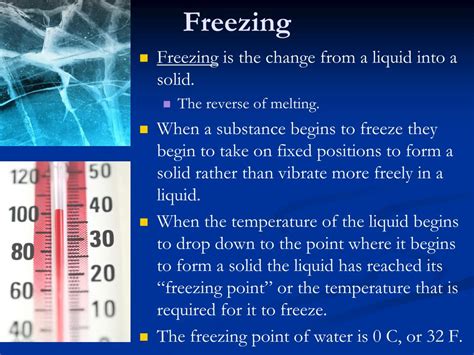
This is crucial. Never put a hot casserole directly into the freezer. Allowing it to cool completely at room temperature (within two hours) or in the refrigerator prevents ice crystals from forming, which can degrade texture.
2. Choose Freezer-Safe Containers
Opt for airtight, freezer-safe containers or aluminum foil pans. Glass dishes are excellent if you plan to bake directly from frozen, but ensure they are oven-safe and can handle temperature changes without shattering.
3. Wrap It Up Tight
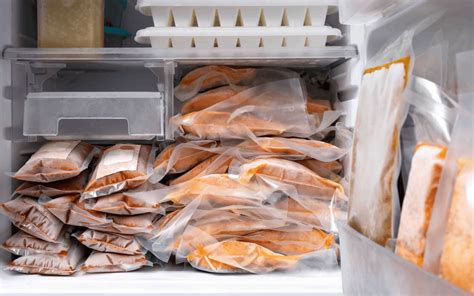
For casseroles in baking dishes, cover the surface directly with plastic wrap to prevent freezer burn, then add a layer of aluminum foil. This double-layer protection is key to maintaining moisture and flavor.
4. Label Everything
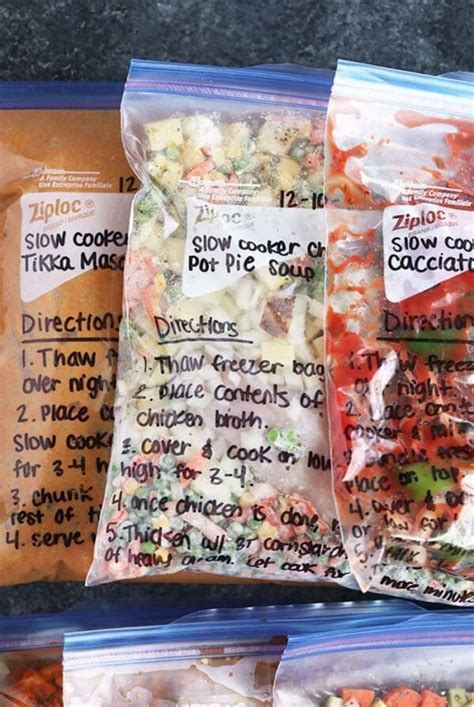
Don’t skip this step! Label with the casserole name, date, and reheating instructions. Most casseroles are best consumed within 3-4 months for optimal quality.
Thawing Your Casserole: Patience is Key
The best way to thaw a frozen casserole is slowly in the refrigerator, typically overnight (12-24 hours). This gradual thaw helps maintain the casserole’s structure and prevents uneven heating. While some casseroles can go straight from freezer to oven (check your recipe!), thawing first usually yields a better result and reduces baking time.
Reheating for Peak Flavor and Texture
This is where your casserole comes back to life. The goal is to heat it through evenly without drying it out or making it soggy.
Oven Reheating (Recommended)
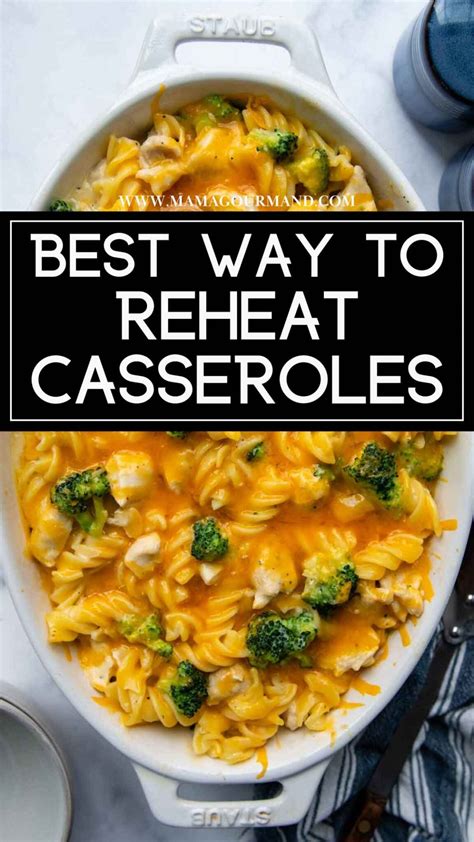
Preheat your oven to a moderate temperature (around 350°F or 175°C). If thawed, cover the casserole loosely with foil to prevent the top from browning too quickly and to retain moisture. Bake until heated through, typically 20-40 minutes for a thawed casserole, or 1-2 hours for a frozen one (uncovered for the last 15-20 minutes if you want a crispy top). Insert a knife into the center to check for warmth; it should be steaming.
Microwave Reheating (For Portions)
For individual servings, the microwave is a quick option. Place a portion in a microwave-safe dish, cover loosely, and heat in intervals, stirring occasionally, until hot. Be mindful that microwave reheating can sometimes alter texture, especially for pasta or rice dishes.
Adding the Finishing Touches
Before serving, consider adding fresh herbs, a sprinkle of cheese, or a dash of hot sauce to bring back vibrancy and fresh flavor. If your casserole includes a crispy topping, add it during the last 10-15 minutes of oven reheating.
Tips for Casserole Success and Avoiding Pitfalls
- Slightly Underbake Before Freezing: If you plan to bake from frozen, slightly underbaking the initial casserole can prevent it from drying out during the second bake.
- Avoid Watery Ingredients: As mentioned, delicate vegetables might release too much water upon thawing.
- Season Thoughtfully: Flavors can mellow in the freezer, so don’t be afraid to taste and adjust seasonings after reheating.
- Don’t Overcrowd Your Freezer: Ensure there’s enough air circulation for efficient freezing.

Embrace the Convenience of Frozen Casseroles
Freezing and reheating casseroles is a culinary superpower for anyone who loves homemade comfort food but lacks endless kitchen time. By following these simple guidelines, you can ensure that every spoonful of your frozen casserole tastes just as delicious, comforting, and flavorful as the day it was first made. So go ahead, double that recipe, stock your freezer, and enjoy the delicious dividends of smart meal preparation!