




Best tips for freezing & reheating big-flavor comfort food casseroles?

Comfort food casseroles are the ultimate culinary hug, offering hearty flavors and a sense of warmth. But what if you could bottle that feeling and enjoy it on a busy weeknight with minimal effort? Freezing and reheating casseroles is a game-changer for meal prep, but it requires a bit of know-how to ensure they emerge from the oven just as delicious as when they were first made. Let’s dive into the best strategies for preserving the big flavor and perfect texture of your favorite comfort food masterpieces.
Choosing Your Casserole Wisely for Freezing
Not all casseroles are created equal when it comes to freezer longevity. Dishes with a high liquid content, cream-based sauces, or pasta that can get mushy are often good candidates, provided they are prepared correctly. Think lasagna, shepherd’s pie, mac and cheese, enchiladas, and hearty chicken and rice bakes. Casseroles with fresh vegetables that have a high water content (like zucchini or mushrooms) might become watery or lose their texture, so consider pre-cooking them or adding them fresh upon reheating.
Preparing for the Freeze: The Right Way to Pack
Cooling Completely is Key
This is perhaps the most crucial step. Never, ever put a hot or even warm casserole into the freezer. Rapid cooling can prevent bacterial growth and protect the texture of your dish. Allow your casserole to cool completely at room temperature, then transfer it to the refrigerator to chill thoroughly before freezing.
Choosing the Right Containers
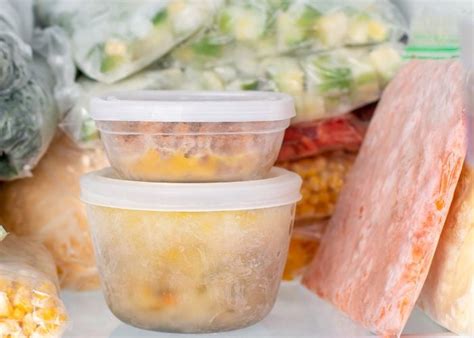
Selecting appropriate freezer-safe containers is paramount. Aluminum foil pans are excellent for freezing and often oven-safe, making reheating straightforward. Glass dishes (Pyrex, Anchor Hocking) are also great, but ensure they are freezer-to-oven safe to prevent thermal shock. For individual portions, sturdy plastic containers or even freezer bags (for softer dishes) work well. Always leave a little headspace for expansion.
To Bake or Not to Bake (Pre-Freezing)
For most casseroles, it’s best to assemble them completely but not bake them before freezing. This helps maintain the fresh texture of ingredients and prevents overcooking during the reheating process. For dishes like lasagna or enchiladas, assembling and freezing unbaked yields superior results. However, some dense, fully cooked casseroles (like certain meat pies) can be frozen after baking, though reheating will require more care.

Freezing Techniques for Optimal Flavor
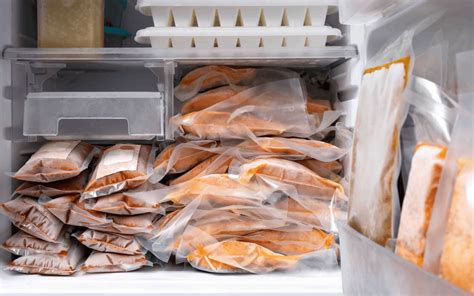
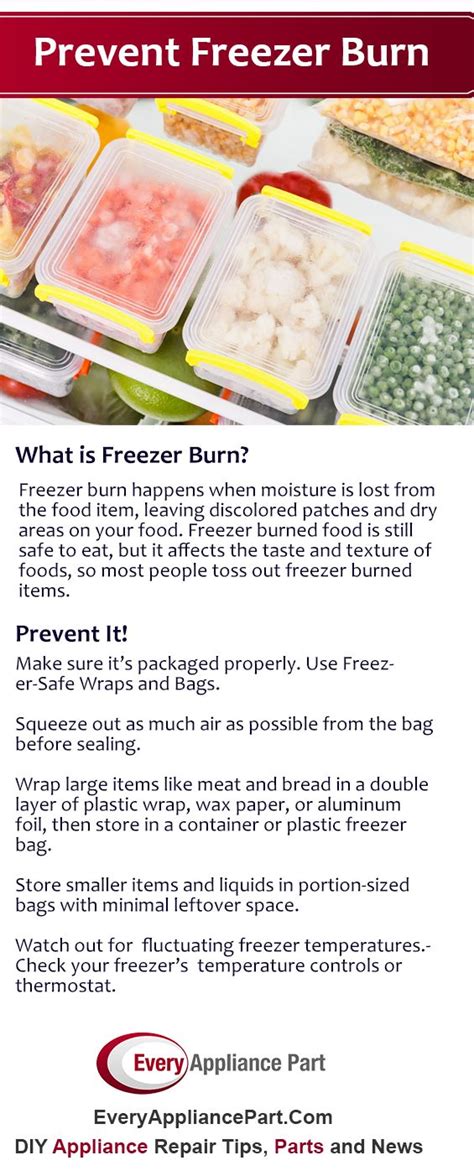
Once your casserole is cool and in its freezer-safe container, proper sealing is essential to prevent freezer burn. Wrap the dish tightly with a layer of plastic wrap, pressing it directly onto the surface of the food to minimize air exposure. Then, add a layer of aluminum foil. Label clearly with the dish name, date, and reheating instructions. This prevents mystery meals later on!
The Art of Thawing
Refrigerator Thaw
The safest and most recommended method for thawing most frozen casseroles is in the refrigerator overnight, or even for 24-48 hours for larger dishes. This slow thaw helps maintain texture and even cooking.
Direct-from-Freezer Baking (for some)
Smaller, less dense casseroles can sometimes go directly from the freezer to a preheated oven. However, this significantly increases baking time (often by 50-100%) and requires careful monitoring to ensure even cooking and prevent dry edges while the center remains frozen. Always check for an internal temperature of 165°F (74°C).
Reheating for Restaurant-Quality Taste
Oven Reheating: The Gold Standard
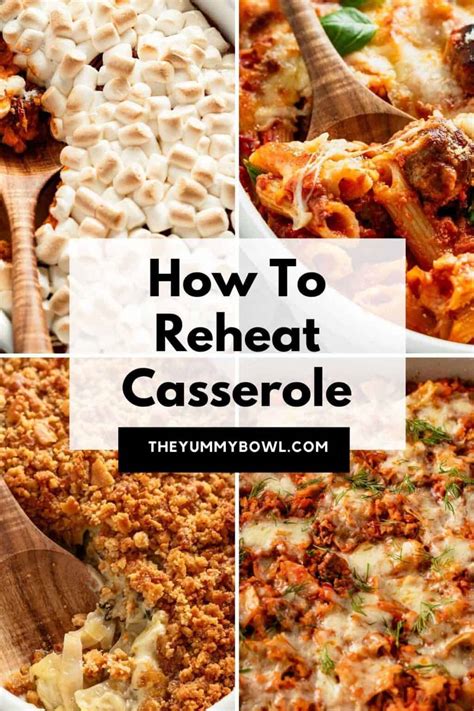
The oven is your best friend for reheating casseroles, especially larger ones. For thawed casseroles, cover with foil and bake at 350°F (175°C) until heated through, then uncover for the last 10-15 minutes if you want a crispy top. For unbaked, thawed casseroles, follow the original recipe’s baking instructions, adding extra time as needed. Ensure the internal temperature reaches 165°F (74°C).
Microwave Reheating: Quick & Careful
While faster, the microwave can sometimes lead to uneven heating or a rubbery texture, especially for cheese-heavy dishes. It’s best reserved for individual portions. Use a microwave-safe dish, cover it loosely, and reheat in short bursts, stirring occasionally, until hot. A splash of broth or milk can help keep things moist.
Adding Moisture & Flavor Back
Freezing and reheating can sometimes dry out dishes. Don’t be afraid to add a splash of chicken or vegetable broth, a dollop of sour cream, or extra cheese during the last part of reheating to bring back moisture and boost flavor. Fresh herbs added at the end also make a huge difference.
Common Mistakes to Avoid
- Freezing Hot Food: Leads to ice crystals, soggy textures, and potential food safety issues.
- Improper Sealing: Invites freezer burn, leading to dry, flavorless patches.
- Overcrowding the Freezer: Slows down the freezing process, impacting food quality.
- Reheating Too Quickly at High Heat: Causes dryness and uneven cooking.
- Not Labeling: The most frustrating mistake! You’ll never remember what’s in that foil-wrapped block.
Revitalize & Serve
Once your casserole is perfectly reheated, consider adding fresh elements to elevate it. A sprinkle of fresh parsley or cilantro, a dollop of fresh ricotta, a squeeze of lemon, or a side of crusty bread can transform a reheated meal into a culinary event. Think about adding a fresh green salad to complete the meal, offering a vibrant contrast to the rich comfort food.
Conclusion
Mastering the art of freezing and reheating big-flavor comfort food casseroles isn’t just about saving time; it’s about extending the joy of your favorite dishes. By following these tips – from proper cooling and packaging to careful thawing and reheating – you can ensure that every spoonful delivers that comforting, delicious experience, whenever you need it most. Happy cooking and even happier eating!