

Best butter pie crust secret for flaky, tender results?

The Quest for the Perfect Pie Crust
For many home bakers, the pie crust is the ultimate test. A beautifully golden, flaky, and impossibly tender crust can elevate any pie filling from good to extraordinary. But what exactly is the ‘secret’ to achieving this coveted texture? While recipes abound, the true magic lies in a few fundamental techniques that work in harmony with the humble ingredients.
Butter pie crusts are renowned for their rich flavor and superior flakiness compared to those made with shortening. The distinct advantage of butter is its lower melting point and high water content, which creates steam pockets during baking, pushing apart layers of dough and resulting in those delightful airy flakes. The key is to keep those butter pieces intact until they hit the heat of the oven.

Secret #1: Embrace the Cold
This is arguably the most critical secret. Every ingredient, especially the butter and water, must be as cold as possible. Cold butter doesn’t melt into the flour too quickly, preserving those crucial pockets of fat that will later create steam. Ice water helps keep the dough temperature low and prevents the butter from warming up during mixing.
- Cold Butter: Cut your butter into small cubes and chill it in the freezer for 15-30 minutes before use. Some bakers even grate frozen butter directly into the flour for optimal coldness and distribution.
- Ice Water: Always have a glass of ice water ready. Use only the necessary amount, adding it tablespoon by tablespoon to avoid over-hydrating the dough.
- Chilled Tools: If your kitchen is warm, consider chilling your mixing bowl and even your flour for a few minutes before starting.
Secret #2: Minimal Handling is Key
Overworking pie dough is the nemesis of tenderness. When flour is mixed with water, gluten begins to develop. While gluten provides structure in bread, too much gluten development in pie crust makes it tough and chewy. The goal is to mix just enough to bring the dough together, no more.
Work quickly when combining ingredients, and use your fingertips or a pastry blender rather than the warmth of your hands. As soon as the dough loosely comes together, stop mixing. It might look shaggy, but that’s a good thing!

Secret #3: The Art of Fat Distribution
The way you incorporate the butter into the flour significantly impacts flakiness. You want varied sizes of butter pieces throughout the dough: some pea-sized for tenderness, and some larger, flatter pieces for dramatic flakes. This balance is crucial.
Methods for Cutting in Butter:
- Pastry Blender: The classic tool, ideal for cutting butter into small, consistent pieces without overworking.
- Fingertips: Use quick, light motions, rubbing the butter between your thumb and fingertips. This allows for more control over butter piece size.
- Food Processor: A quick method, but use it judiciously with short pulses to avoid over-processing and turning the butter into a paste.
- Grating Frozen Butter: For uniform small pieces and maximum coldness, grate frozen butter directly into the flour mixture.
The Process: Bringing It All Together
Once you’ve mastered the secrets, the actual steps for making a butter pie crust are straightforward:
- Combine Dry Ingredients: Whisk together flour and salt in a large bowl.
- Cut in Cold Butter: Add your cold, cubed butter and work it into the flour using your chosen method until you have a mix of pea-sized and oat-flake-sized butter pieces.
- Add Ice Water: Slowly add ice water, 1-2 tablespoons at a time, mixing lightly with a fork or your hands until the dough just starts to come together. It should look shaggy but hold when squeezed.
- Form and Chill: Gently gather the dough, form it into a disk, wrap it tightly in plastic wrap, and chill in the refrigerator for at least 30 minutes, or up to 2 days. This allows the gluten to relax and the butter to re-solidify.
- Roll Out: On a lightly floured surface, roll out your chilled dough from the center outwards, rotating it frequently to prevent sticking.
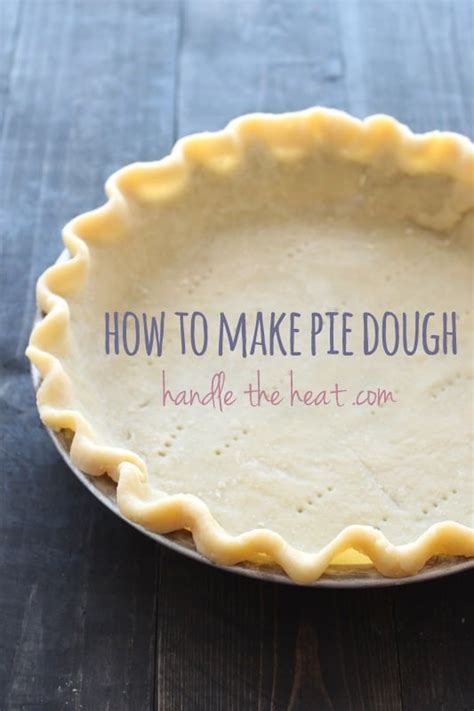
- Bake: Transfer the dough to your pie plate, trim, crimp edges, and follow your recipe’s baking instructions, often including blind baking for a crisp bottom crust.
Final Thoughts for Flawless Flakiness
Patience and attention to detail are your best allies in crafting the ultimate butter pie crust. Remember the mantra: cold, quick, and minimal. By respecting the integrity of the cold butter and minimizing gluten development, you’ll consistently achieve a pie crust that is not just edible, but truly outstanding – a golden testament to your baking prowess.