




Achieve ‘big flavor’ pot roast: tender, never dry, true Heartland taste?

Unlocking the Heartland’s Most Cherished Meal
There’s a reason pot roast holds a special place at Midwest dinner tables: it’s a dish that speaks of comfort, tradition, and robust, honest flavor. The dream pot roast is fork-tender, swimming in a rich, savory gravy, and never, ever dry. Achieving this culinary masterpiece isn’t about magic; it’s about understanding a few fundamental techniques that elevate humble ingredients into an unforgettable meal.

The Foundation: Choosing Your Cut Wisely
The journey to a perfect pot roast begins with the right cut of beef. Forget lean, quick-cooking cuts; for pot roast, you want something with good marbling and connective tissue that breaks down beautifully during long, slow cooking. Chuck roast (also known as chuck eye, chuck roll, or shoulder pot roast) is the undisputed champion. Its intramuscular fat renders down, contributing immensely to both tenderness and flavor, preventing that dreaded dry texture.
Building Layers of ‘Big Flavor’
True Heartland pot roast isn’t just meat and potatoes; it’s a symphony of deeply developed flavors. This starts with a proper sear. Pat your chuck roast dry and generously season it. Browning the meat deeply on all sides in a heavy-bottomed pot (like a Dutch oven) creates a rich, caramelized crust and builds fond – the browned bits at the bottom of the pan that are packed with umami. Don’t skip this step; it’s non-negotiable for “big flavor.”
Next come the aromatics. Sautéing onions, carrots, and celery in the same pot after removing the browned beef not only softens them but also allows them to absorb and contribute to that rich fond. A touch of garlic, tomato paste for depth, and a splash of red wine or beef broth to deglaze the pan will lift all those flavorful bits, incorporating them into your liquid base.

The Secret to Tenderness: Low and Slow Immersion
Once your meat is seared and your aromatics are sautéed, it’s time for the long haul. Return the beef to the pot, add your chosen liquid (beef broth, red wine, or even a mix with a little Worcestershire sauce for extra punch), ensuring it comes about halfway up the sides of the meat. Crucially, cover the pot tightly. Whether you’re braising in the oven at a low temperature (around 300-325°F or 150-160°C) or using a slow cooker, the key is consistent, gentle heat that slowly breaks down collagen into gelatin, resulting in that melt-in-your-mouth texture.
The liquid plays a vital role in preventing dryness. It creates a moist, steamy environment, basting the meat as it cooks and infusing it with flavor. Resist the urge to lift the lid too often, as this releases precious moisture and heat. Cook for at least 3-4 hours, or until the meat can be easily shredded with a fork. Adding hearty vegetables like potatoes and more carrots about halfway through the cooking time ensures they are tender but not mushy.

Crafting the Perfect Gravy
A true Heartland pot roast is incomplete without a rich, velvety gravy. Once the meat is fall-apart tender, remove it from the pot and let it rest (this allows the juices to redistribute, keeping it succulent). Skim off any excess fat from the braising liquid. For a thicker gravy, you can create a slurry of cornstarch and water or make a roux with butter and flour, then whisk it into the hot liquid until it reaches your desired consistency. Taste and adjust seasonings – a final touch of salt, pepper, or even a dash of balsamic vinegar can brighten the flavors.

The Grand Reveal: Serving Your Masterpiece
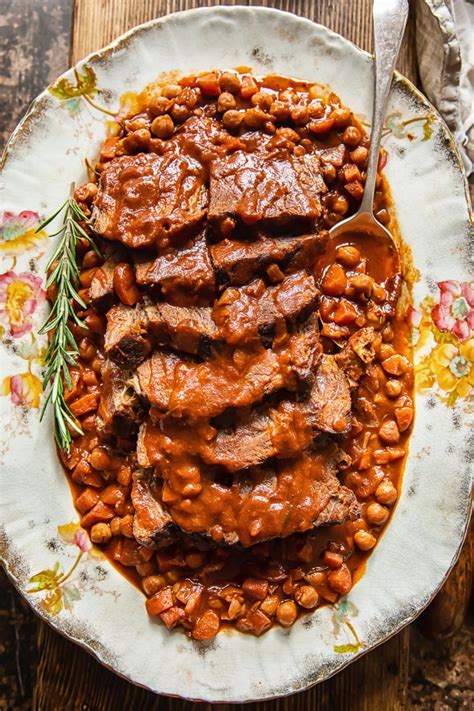
Shred the rested pot roast or slice it thickly against the grain, then nestle it back into the glorious gravy with the tender vegetables. Serve hot, perhaps with a side of creamy mashed potatoes or crusty bread to soak up every last drop of that incredible sauce. This isn’t just dinner; it’s an experience – a taste of tradition, comfort, and the hearty spirit of the Midwest, proving that with a little patience and the right techniques, a perfectly tender, big-flavor pot roast is absolutely achievable.